
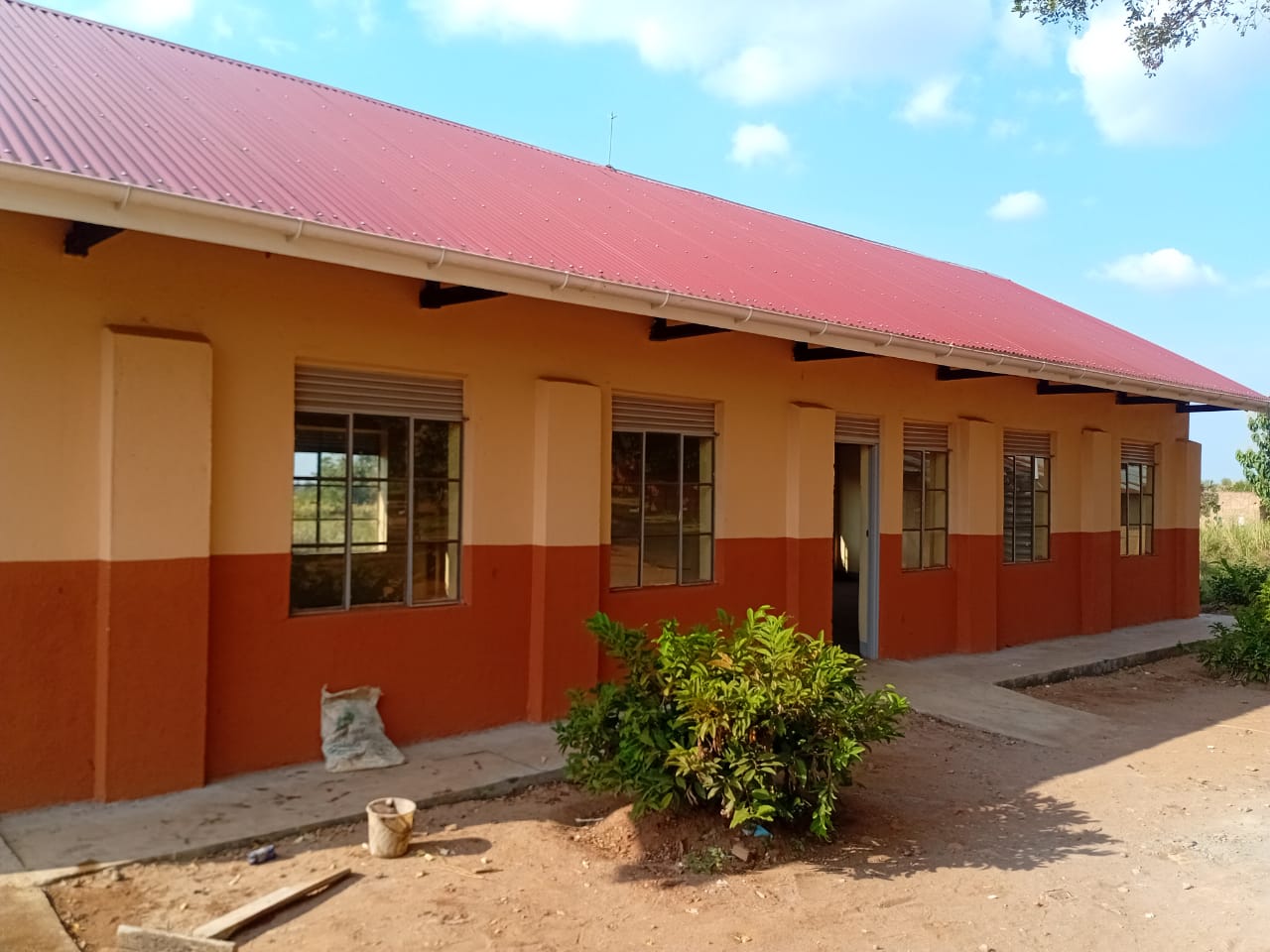
Hundreds of pupils at Namrwodho Primary School in Nebbi Municipality have been forced to combine classes and study in overcrowded rooms following delays in the renovation of a two-classroom block after the contractor delivered what authorities described as substandard work.
School administrators said some classes, particularly Primary Five, have been merged into one room, making teaching difficult and affecting the quality of learning.
Municipal leaders, together with the Resident District Commissioner (RDC) for Nebbi, declined to commission the renovated classroom block on Thursday, July 16, citing poor workmanship by Leku GL Yesu Nuti Construction and Engineering Works Limited.
The contractor was awarded the three-month renovation project in March this year at a cost of Shs47.936 million and was expected to complete the works by July. However, after the project was rejected during inspection, the contractor had not carried out the required corrections by the time of reporting.
Denis Owachgiu, the acting deputy headteacher of Namrwodho Primary School, said the administration and community members had raised concerns about the quality of the construction before municipal officials inspected the facility.
He said the materials used, finishing, and other aspects of the work did not meet the expected standards.
“The floor of the two classrooms had already developed cracks, and the veranda was wearing out before pupils could even start using the facility. We were optimistic that the leaders would reject this quality of work,” Owachgiu said.
He explained that the school had hoped the renovated block would help reduce overcrowding, but the delay had worsened the situation.
“We are now combining Primary Five in an old and dilapidated block, with about 150 learners in one class. Generally, our classrooms are overcrowded,” he said.
Owachgiu added that the school’s expectations of easing congestion through the new classrooms had been delayed.
Nabil Saidi, the Secretary for Social Services at Nebbi Municipal Council, said the council had expected the project to be completed on time to address classroom shortages affecting schools in the municipality.
“This shoddy work is like adding salt to an injury. We are already struggling with inadequate desks for learners,” Saidi said.
He called for a review of the council’s approach to awarding contracts, arguing that contractors from outside the district had previously delivered better-quality projects within agreed timelines.
“Local contractors used to complain when they were not awarded contracts, but contractors from outside the district would do good work and hand over projects on time. I think we should rethink that decision if we want lasting solutions,” he said.
Alpha Opakrwoth, the company manager in charge of the project, acknowledged that there were challenges in executing the works.
Opakrwoth said the classroom block had not been commissioned because municipal leaders raised concerns over the quality of the floor.
“We accept that the floor was not done to the required standard. We are mobilising to redo it, and we will also work on the veranda that was left incomplete,” he said.
He added that the contractor was committed to correcting all defects and handing over the facility once it met the required specifications.
Namrwodho Primary School has a total enrolment of 1,045 pupils and only 17 teachers, giving a pupil-teacher ratio of about 61:1.
Nebbi Municipality has 12 government-aided primary schools, including Pubidhi, Paminya Ayila, Namrwodho, and Angir, among others, with a combined enrolment of 10,446 learners.
According to the municipal education facility inventory, the schools have only 40 classrooms and 1,144 desks.
The current pupil-teacher ratio across the municipality stands at 52:1, while the pupil-classroom ratio is 106:1. The pupil-desk ratio stands at 8:1, while the pupil-to-seating space ratio is 99:1.
Nationally, Uganda’s government primary schools continue to record high pupil-teacher ratios of between 55:1 and 60:1, above the official target and the UNESCO recommended ratio of 40:1.
